
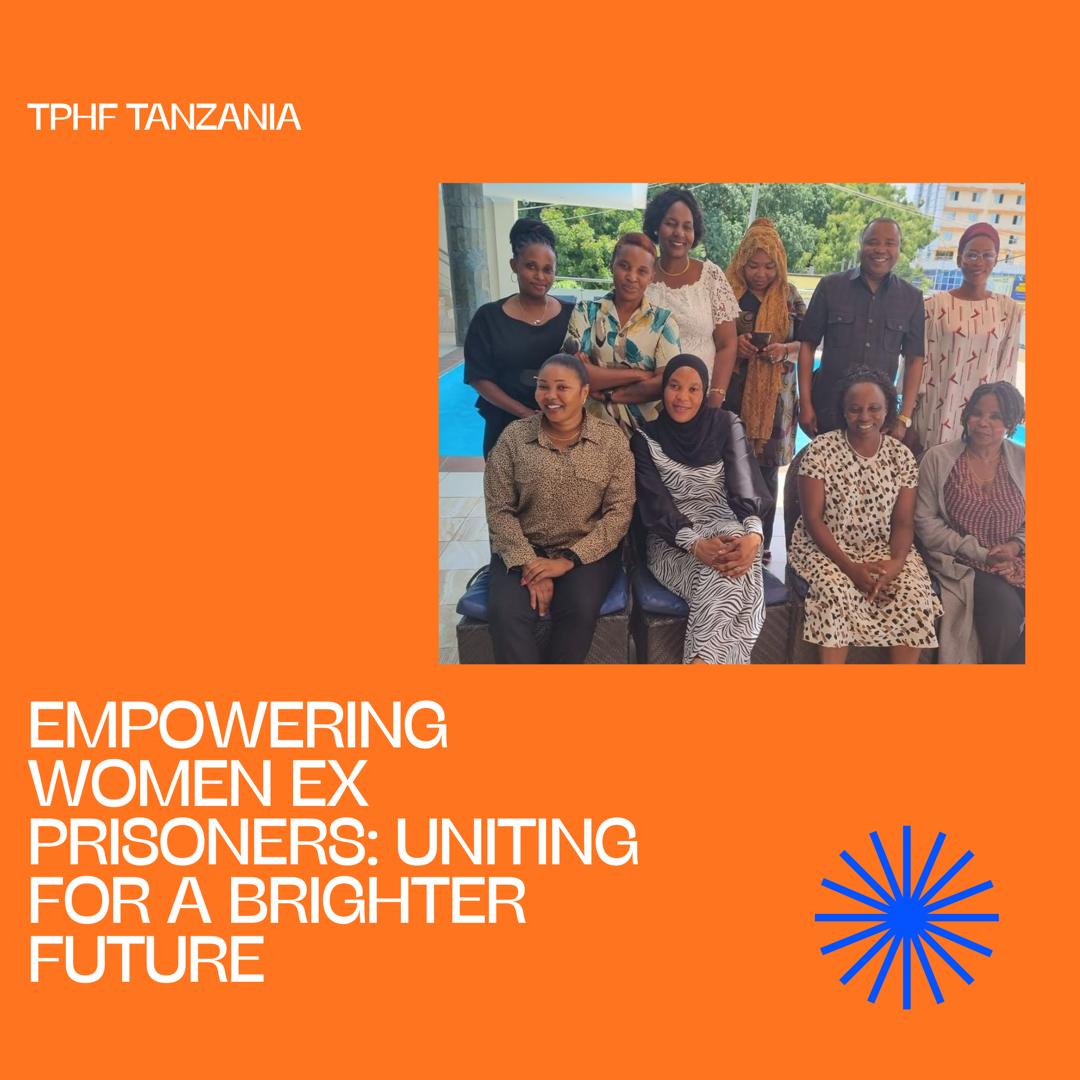
Following the success of the previous Women Ex-Prisoners Seminar, the Tanzania Prisoners Hope Foundation (TPHF) and Women for Transformation Tanzania (WFT-T) collaborated on an event with a specific focus: empowering female ex-prisoners to come together and form their own support group. This seminar aimed to provide these women with the means to create a network that offers easier access to various stakeholders for assistance and support, recognizing the many advantages of group formation for ex-prisoners.
SEMINAR DETAILS
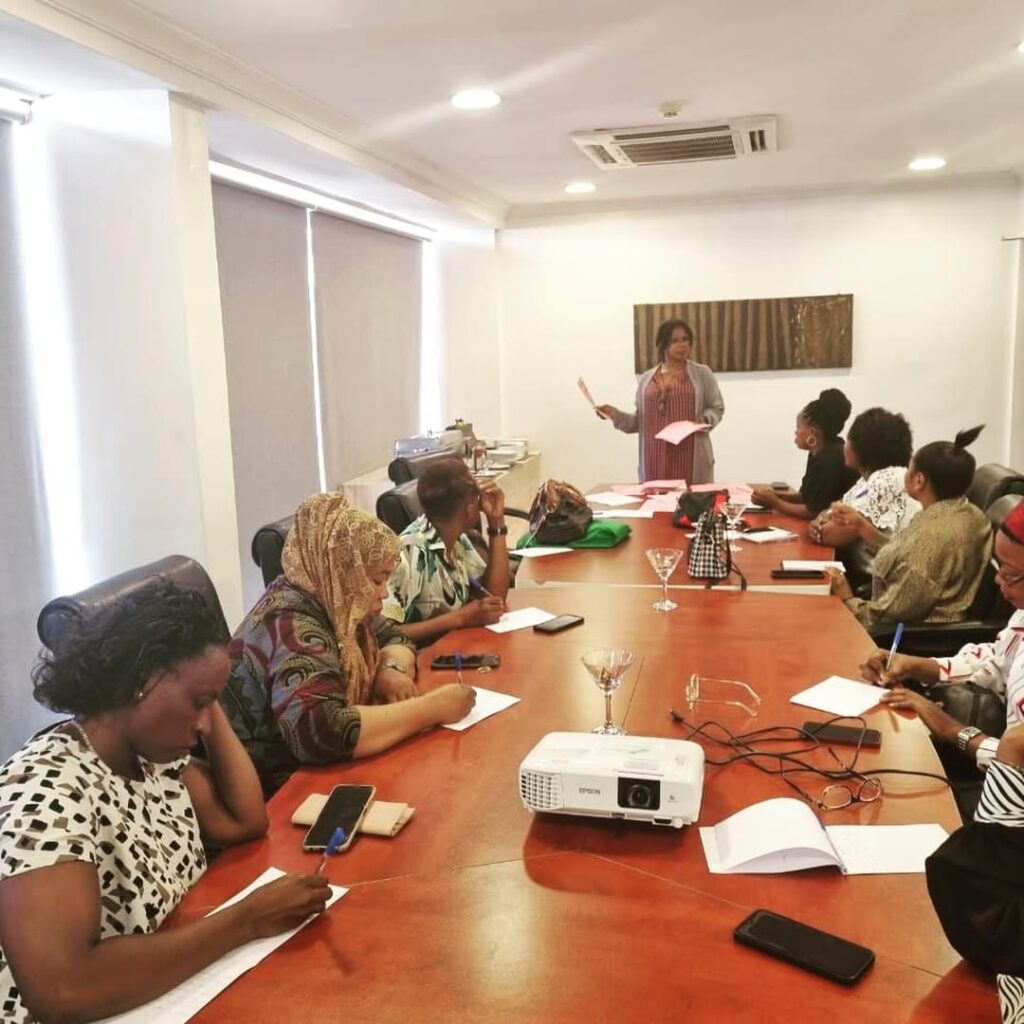
The seminar, titled “Ni semina ya kuwawezesha wanawake ex Prisoners kuunda umoja wao mkoa wa DSM,” was held at the CBD Hotel in Dar es Salaam, a central and accessible location that symbolized openness, inclusion, and visibility for marginalized voices. This strategic choice of venue underscored the organizers’ intention to bring formerly incarcerated women into the heart of civic discourse, breaking down barriers of stigma and exclusion. The event was fully funded and meticulously coordinated by the Tanzania Prisoners’ Health Foundation (TPHF) in collaboration with the Women Fund Tanzania Trust (WFT-T), two organizations renowned for their unwavering commitment to social justice, gender equity, and community rehabilitation. This groundbreaking initiative marked a pivotal moment in the broader movement to support female ex-prisoners in Tanzania. It provided a safe, dignified, and empowering space for dialogue, learning, and community building—an environment where participants could share their lived experiences, voice their aspirations, and collectively envision a future of solidarity and self-determination. Through interactive sessions, capacity-building workshops, and storytelling forums, the seminar fostered a sense of unity and purpose among the women, laying the foundation for the formation of a regional association that would advocate for their rights and amplify their voices.
UNITING FOR EMPOWERMENT
The seminar began with a powerful opening session that emphasized the importance of unity and solidarity among women who have faced the challenges of incarceration. Facilitators and organizers highlighted how forming a cohesive group could serve as a foundation for long-term empowerment. The session set a hopeful tone for the day, encouraging participants to envision a future where their shared experiences could become a source of strength rather than stigma. It underscored the idea that collective action is not just beneficial—it is essential for driving meaningful change.
THE STRENGTH IN NUMBERS
At the heart of the seminar was a comprehensive exploration of the benefits of group formation. Through interactive discussions and practical workshops, participants learned how coming together could unlock a range of opportunities:
Access to stakeholders
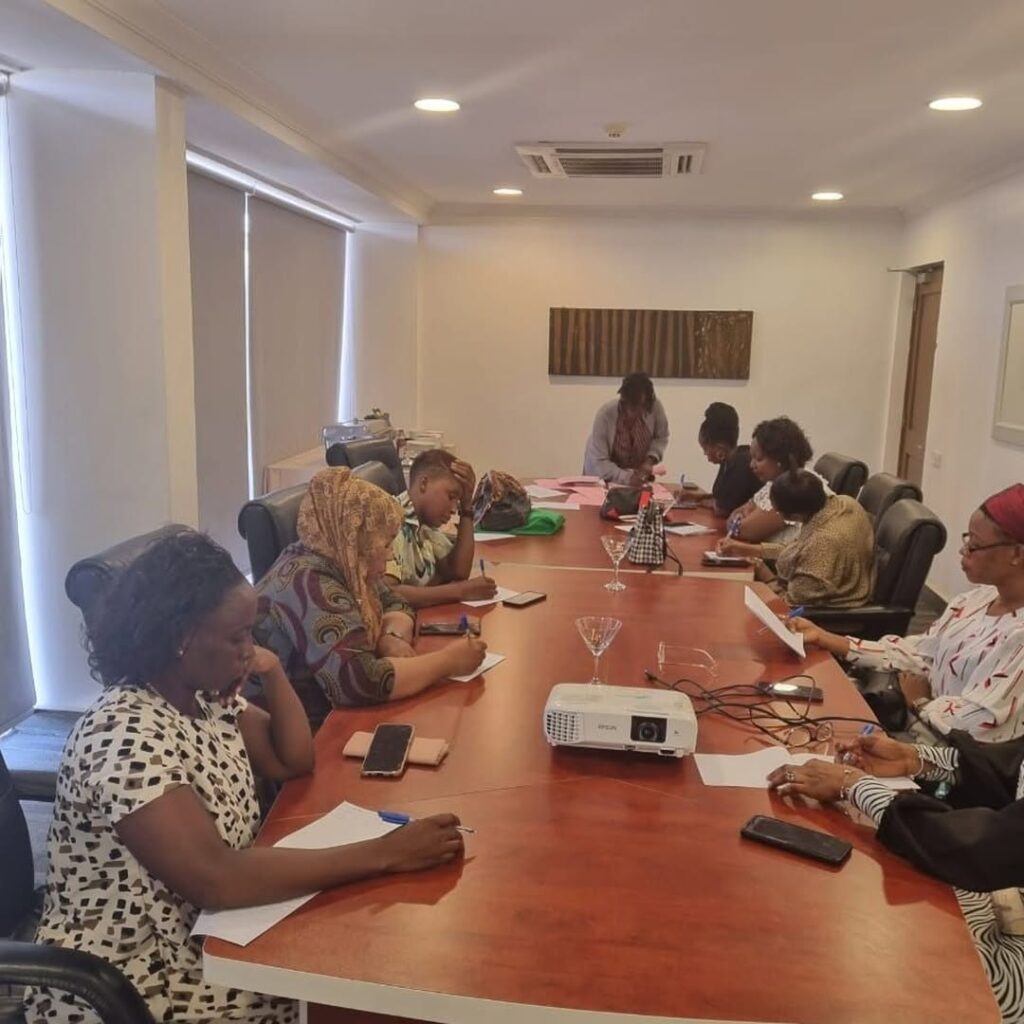
A unified and well-structured group significantly enhances visibility and credibility, making it easier to attract attention from key stakeholders such as NGOs, government institutions, international development agencies, and private sector partners. This increased visibility often translates into tangible support, including access to vocational and entrepreneurial training programs, legal aid services, psychosocial counseling, and seed funding for income-generating activities. Moreover, partnerships with microfinance institutions and social enterprises can open doors to sustainable financial inclusion, enabling women to launch cooperative ventures or small businesses that foster economic independence. The group’s collective voice also strengthens their negotiating power when seeking institutional support or policy reforms.
Seminar Facilitators
The seminar featured an esteemed facilitator from Women Fund Tanzania Trust (WFT-T), widely respected for her extensive expertise in group dynamics, gender empowerment, and grassroots community mobilization. Her professional background spans years of working with vulnerable populations, particularly women affected by systemic inequalities, and her approach is grounded in participatory learning and inclusive development. Throughout the seminar, she delivered a series of engaging and transformative sessions that were both intellectually stimulating and emotionally resonant. Drawing on a wealth of real-life case studies, she illustrated how collective action and solidarity have empowered marginalized groups—especially women—to reclaim agency, challenge social norms, and initiate sustainable change within their communities. Her facilitation style was dynamic and empathetic, blending theoretical frameworks with practical tools that participants could immediately apply in their own contexts. She emphasized the importance of trust-building, active listening, and collaborative problem-solving as foundational elements for any successful group initiative.
Formation of Support Groups
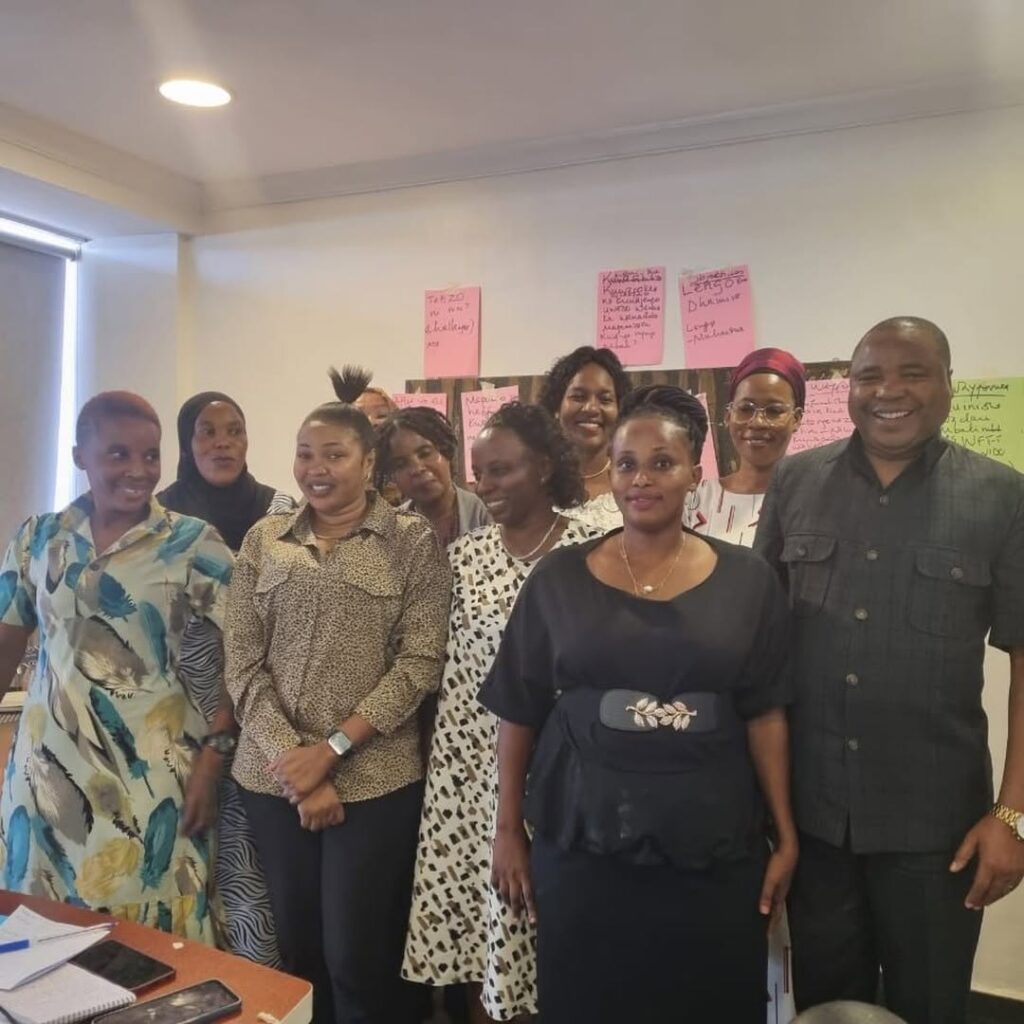
One of the seminar’s most tangible outcomes was the active encouragement of support group formation. Participants were guided through the initial steps of organizing themselves into functional units, including selecting group leaders, defining shared goals, and establishing communication channels. This process not only fostered a sense of belonging but also laid the groundwork for future collaboration, resource sharing, and advocacy. The formation of these groups represents a critical milestone in the journey toward self-reliance and community integration.
Advantages of Unity
Throughout the seminar, the theme of unity was revisited and reinforced. Facilitators and participants alike recognized that solidarity among ex-prisoners is a powerful catalyst for change. By standing together, these women can challenge societal stigma, reclaim their dignity, and build a future rooted in mutual support and shared purpose. Group formation is more than a strategy—it is a declaration of resilience, hope, and determination to rewrite their narratives.
CONCLUSION
The “Empowering Women Ex-Prisoners to Form Their Own Group“ seminar marked a significant and inspiring chapter in the ongoing efforts to support female ex-prisoners in Tanzania. By coming together, these women are not only building a support network—they are laying the foundation for a movement that champions rehabilitation, inclusion, and empowerment. The collaboration between TPHF and WFT-T exemplifies what is possible when organizations commit to uplifting marginalized voices. As we look ahead, the impact of this seminar will continue to unfold through the actions and initiatives of the newly formed support groups. With unity as their guiding principle, these women are poised to transform their lives and communities. TPHF and WFT-T remain steadfast in their support, proud to walk alongside these courageous women as they forge a path toward a brighter, more secure future.