
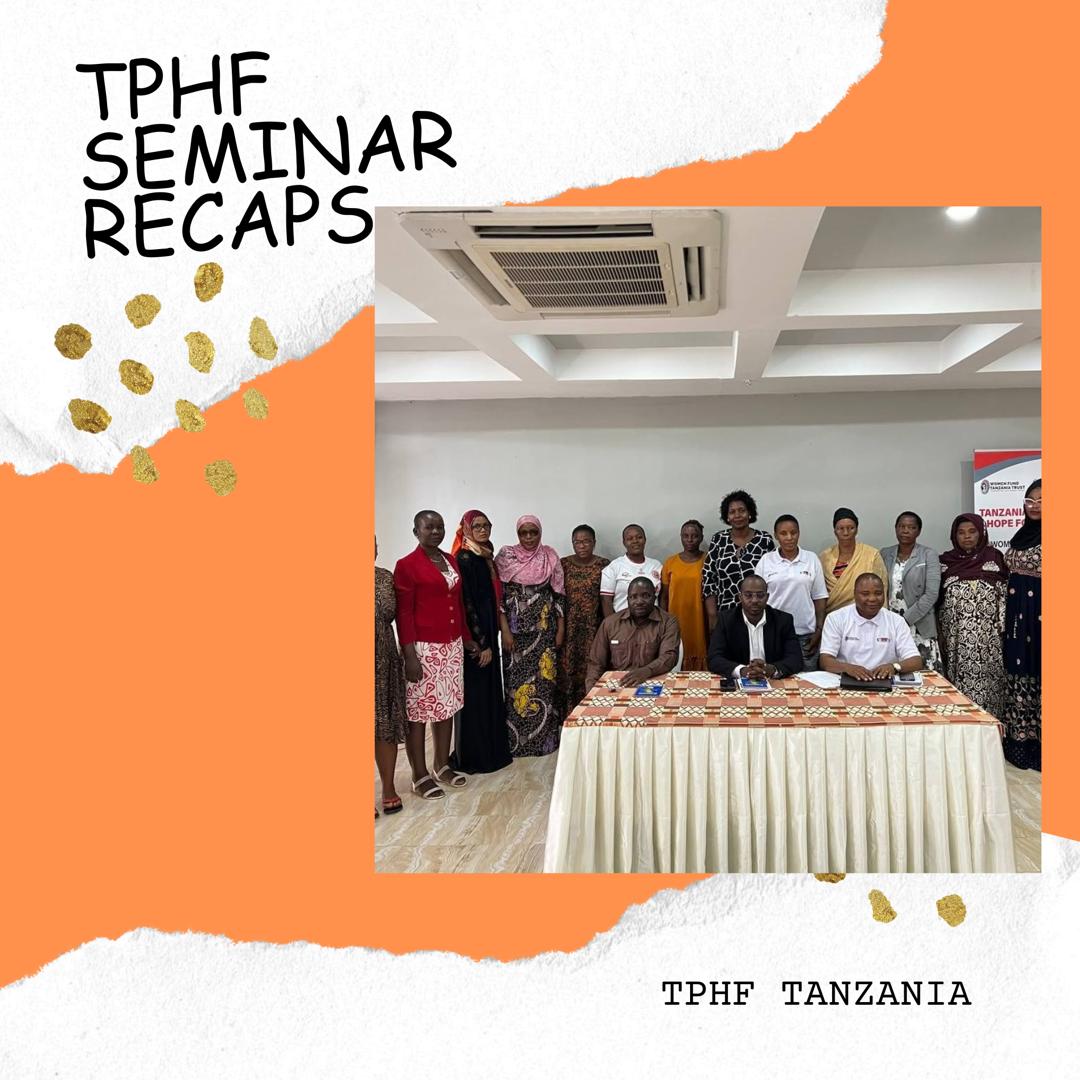
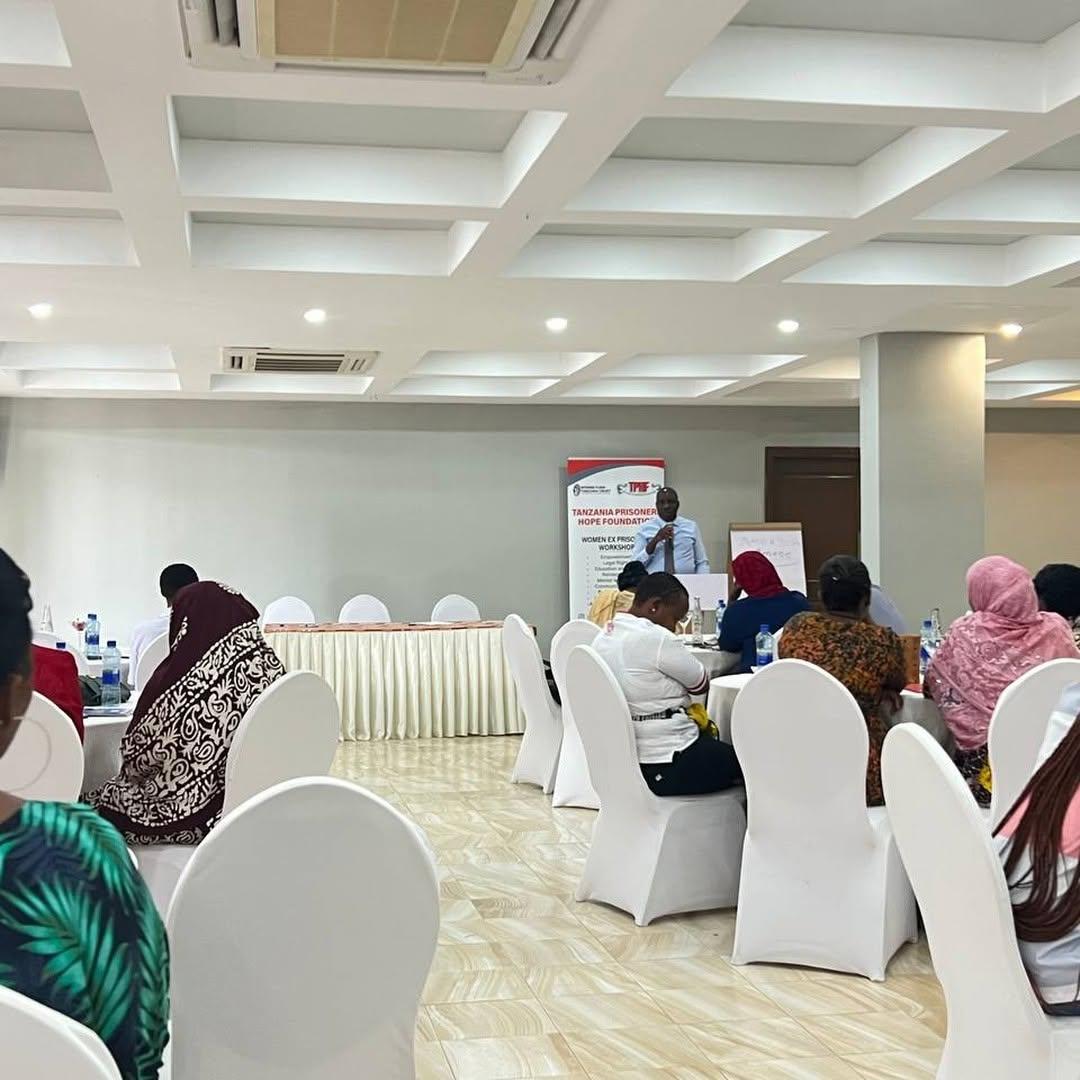
In a meaningful and progressive stride toward promoting rehabilitation, reintegration, and long-term empowerment, the Tanzania Prisoners Hope Foundation (TPHF), in close collaboration with regional authorities, successfully organized a transformative seminar dedicated to supporting women ex-prisoners. This important event took place on September 13th, 2023, at the CBD Hotel in Dar es Salaam—a venue chosen for its accessibility and symbolic value as a place of renewal and opportunity. The seminar was thoughtfully designed to address the multifaceted challenges that female ex-prisoners often encounter upon their release, including social stigma, economic instability, and emotional trauma. By bringing together stakeholders, facilitators, and the women themselves, the seminar created a safe and empowering space for dialogue, learning, and community building. In this blog post, we’ll take a closer look at the key highlights, discussions, and outcomes of this impactful gathering, which marks a pivotal moment in the ongoing efforts to support formerly incarcerated women in Tanzania.
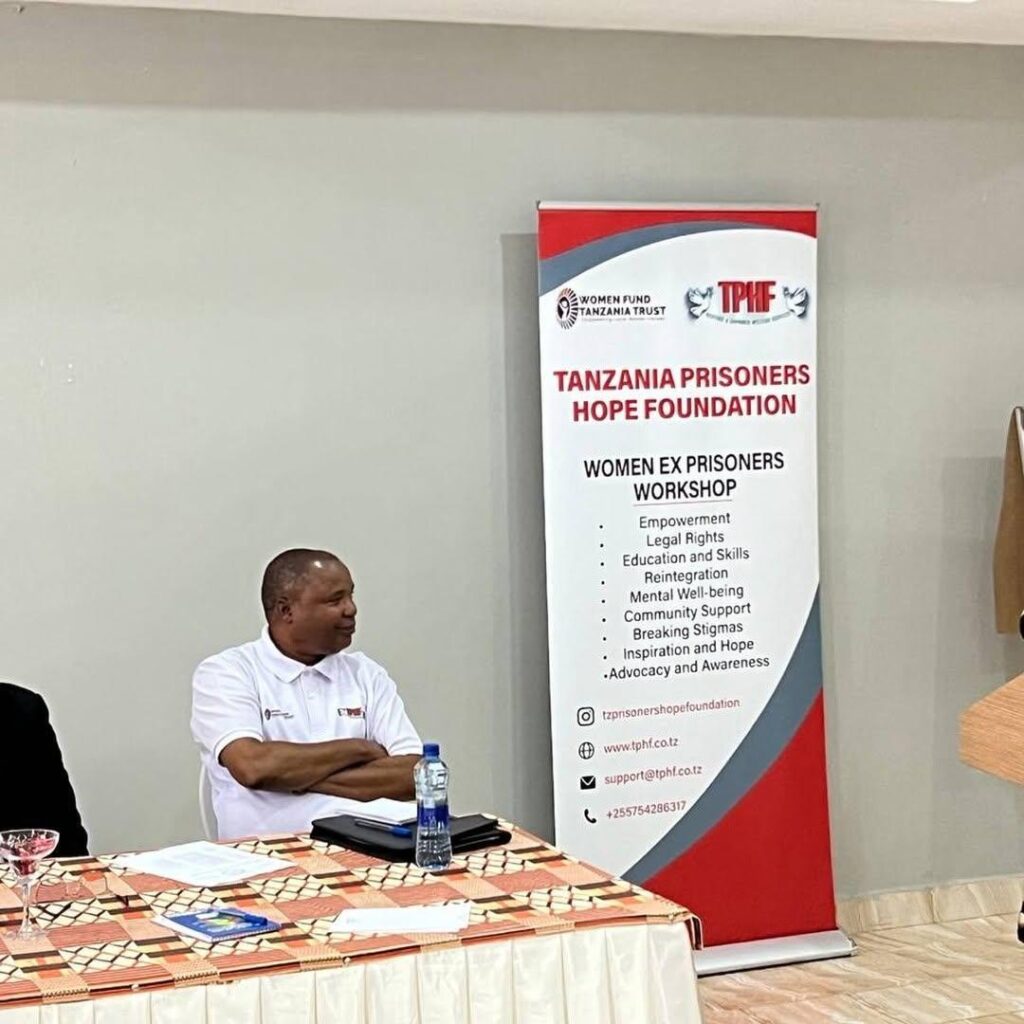
The seminar brought together a diverse group of participants, including representatives from organizations such as Women for Transformation Tanzania (WFT-T), TPHF, Segerea Prison, Regional Prison Office, Regional welfare officers from the RC office, National Microfinance Bank Limited (NMB), media representatives, and seminar presenters. The presence of various stakeholders highlighted the importance of this event. The seminar commenced with a prayer, uniting attendees from different backgrounds. Women ex-prisoners introduced themselves, sharing their names and the duration of their incarceration. The CEO of TPHF provided an overview of TPHF’s mission and goals. Notably, the guest of honor, Ilala District Commissioner (DC), emphasized the significance of emotional intelligence for a successful transition to life outside prison and encouraged ex-prisoners to engage in entrepreneurship activities.
CHALLENGES AND PROPOSAL
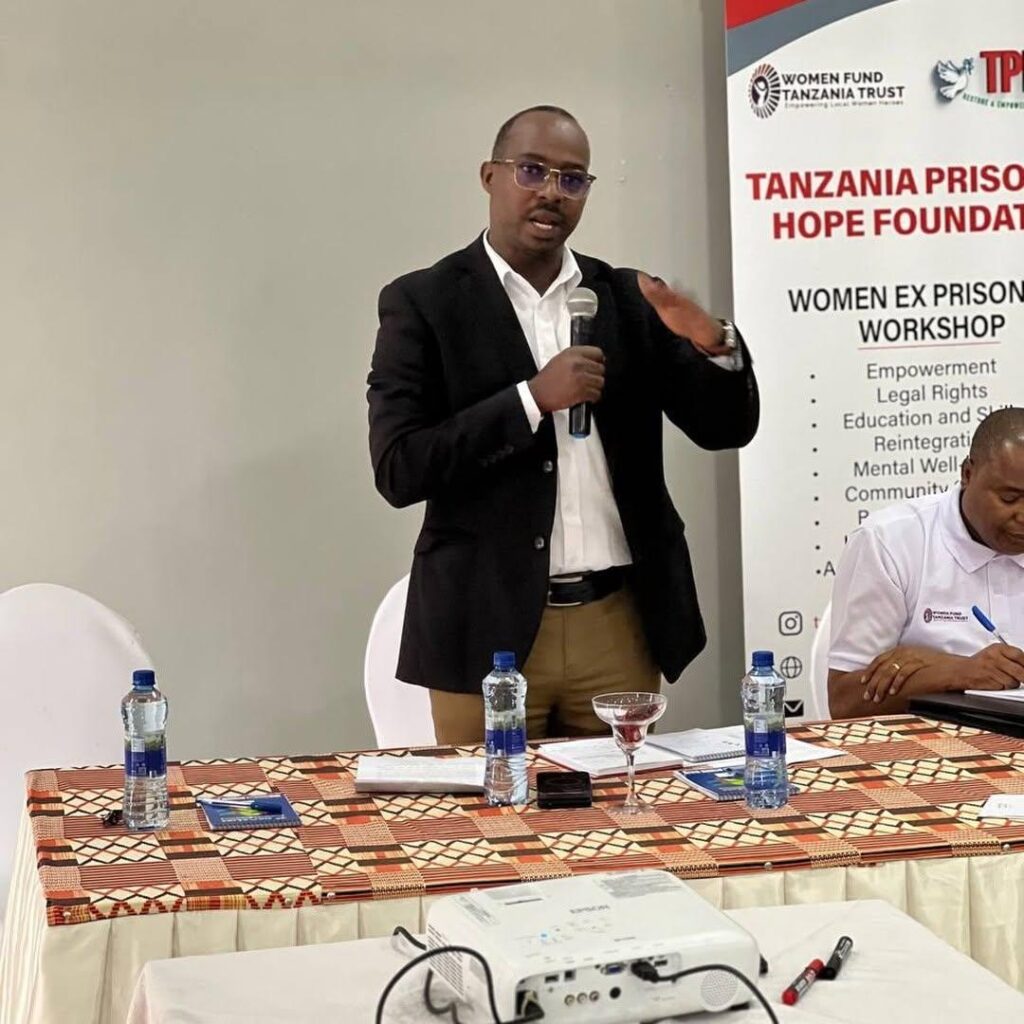
Ex-prisoners shared their challenges, including the lack of policies guiding their transition into the community. They proposed the formulation of policies to ensure a smoother reintegration process. Additionally, a suggestion emerged to provide small funds to released prisoners to kickstart businesses, fostering self-sufficiency. A representative from WFT-T spoke on women’s rights, encouraging ex-prisoners not to dwell on their pasts but to focus on the future. She advocated for gender equality and urged them to pursue leadership opportunities. Support groups were proposed as a means of achieving collective development goals.
A representative from MADEO FINANCE LIMITED discussed entrepreneurship skills, emphasizing the importance of identifying community needs and providing solutions. The ex-prisoners were informed about accessible loans with low-interest rates, particularly when applied for as a group. They had the opportunity to ask questions and gain insights into entrepreneurship opportunities. Rev. Ray Seng’enge, an experienced counselor and pastor, provided emotional counseling to the ex-prisoners. He stressed the importance of emotional intelligence, forgiveness, and giving the community time to accept them peacefully. Representatives from the National Microfinance Bank Limited (NMB) educated the female ex-prisoners about available services and low-interest loans. Forming groups was encouraged, as it facilitates easier access to financial services.
FEEDBACK AND CONCLUSIONS
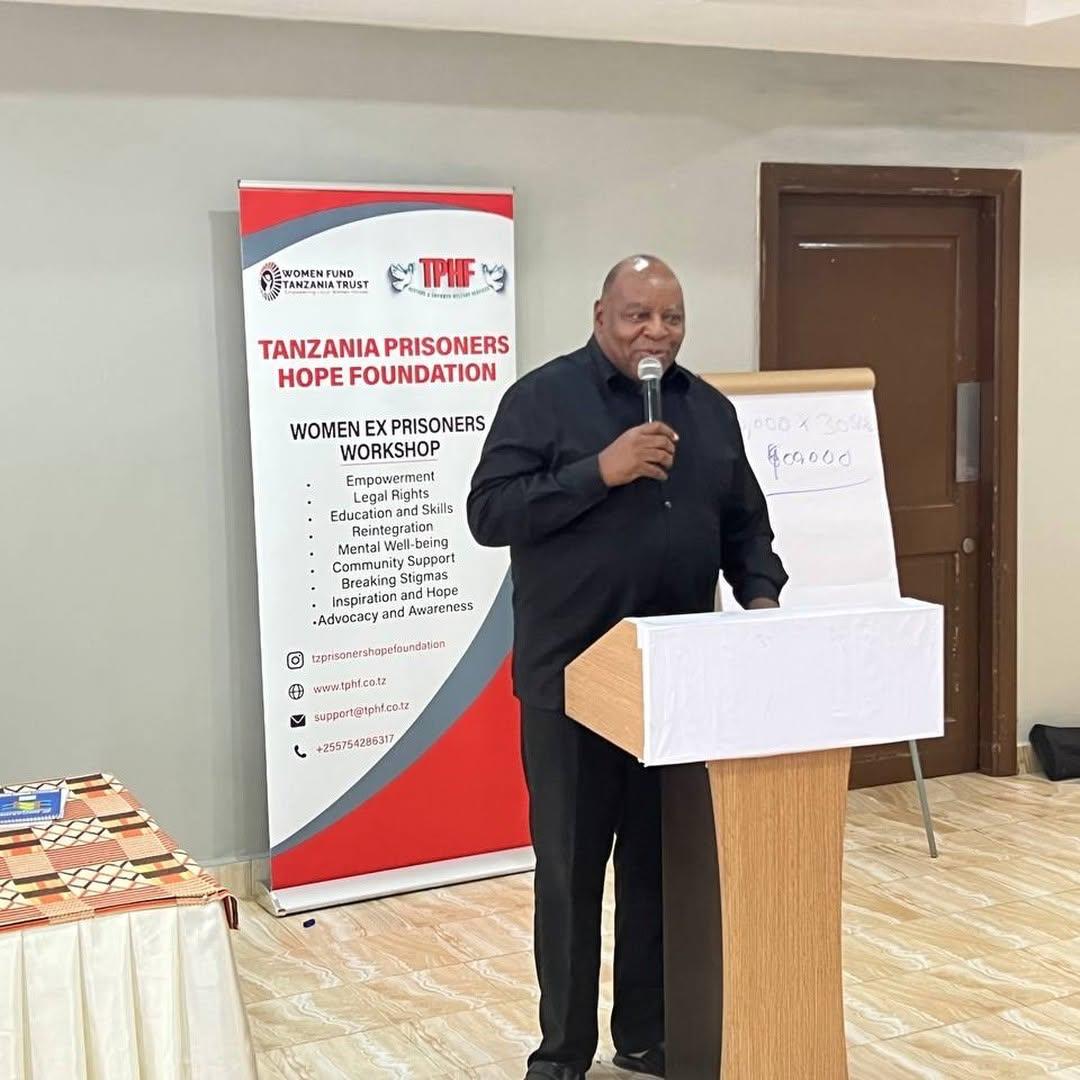
After the seminar, ex-prisoners provided feedback through evaluation forms, expressing their positive experiences and the benefits gained from each session. The following conclusions were drawn: One of the most impactful outcomes of the seminar was the initiation of steps toward forming an officially recognized and registered support group for women ex-prisoners. This group is envisioned as a structured platform through which former inmates can access assistance more efficiently and consistently. By formalizing their unity, these women will be better positioned to engage with stakeholders, apply for funding, participate in training programs, and advocate for their rights. The registration process will also lend credibility to their collective voice, enabling them to be seen not just as individuals seeking help, but as a community committed to rehabilitation, empowerment, and positive change.
TPHF, in collaboration with various stakeholders including government representatives, NGOs, and community leaders, reaffirmed its commitment to supporting ex-prisoners beyond the seminar. These efforts include ongoing counseling services, mentorship programs, and educational sessions that address the unique psychological, social, and economic challenges faced by women after incarceration. Topics such as trauma recovery, employment readiness, family reintegration, and legal literacy are being prioritized to ensure that these women are equipped with the knowledge and emotional support needed to rebuild their lives with confidence and dignity. Recognizing that sustainable support requires financial resources, a formal appeal was made during the seminar for increased funding and material contributions. Women Fund Tanzania Trust (WFT-T) was specifically encouraged to channel support through TPHF and collaborate with other women-focused organizations to provide grants, seed capital, and logistical aid. These resources are essential for launching income-generating activities, securing meeting spaces, and covering operational costs of the newly forming support group. The call to action emphasized that financial backing is not just about charity—it’s an investment in rehabilitation, community safety, and gender equity. Throughout the seminar, facilitators and speakers delivered a heartfelt and urgent message to all participants: the importance of staying committed to personal growth and avoiding behaviors that could lead to re-incarceration. Women were reminded that their past does not define their future, and that every decision moving forward holds the power to shape a better life. The seminar encouraged them to lean on their peers, seek help when needed, and remain focused on building a future rooted in purpose, resilience, and lawful living. Avoiding re-offending is not only crucial for their own well-being but also for the broader goal of breaking cycles of incarceration and fostering safer, more inclusive communities
CONCLUSION
The Women Ex-Prisoners Seminar organized by TPHF and its partners provided valuable insights and support to empower female ex-prisoners for a successful transition into society. As we work towards a more inclusive and rehabilitative approach to reintegration, let’s keep these lessons in mind and continue supporting the journey of these brave women towards a brighter future.